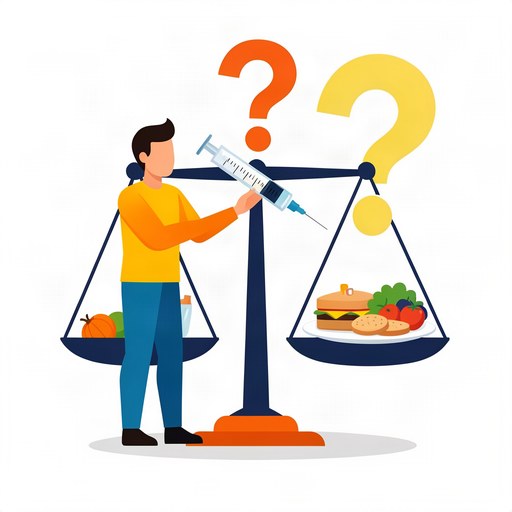
Weight loss changes after 50 — and so should the approach
Hormone shifts, muscle loss, and changing metabolisms make weight management different after 50. What worked in your 30s often stops working — not because you're doing anything wrong, but because the underlying biology has changed.
What changes after 50
Muscle mass declines. Sarcopenia — age-related muscle loss — lowers your resting calorie burn. Strength training is the single most effective countermeasure.
Hormone changes. For women, perimenopause and menopause shift estrogen and can change where weight is stored. For men, testosterone gradually declines. Both can affect energy and body composition.
Sleep and recovery. Sleep quality often worsens with age, and poor sleep is linked to increased hunger and fat retention.
Medical conditions and medications. Thyroid issues, joint pain, and common prescriptions can all complicate weight loss — which is why a medical review matters more at this stage of life.
Why the approach should be medical
At 50+, "eat less, move more" often isn't enough — and aggressive calorie cutting can accelerate muscle loss. Physician-supervised programs can assess the factors above, protect muscle, and, when medically appropriate, consider GLP-1 medications or other options alongside strength training and nutrition planning.
What to ask a provider
Ask: How do you account for age-related muscle loss? Do you coordinate with my other doctors and medications? What does follow-up look like long-term? Are medications part of your program, and what are the costs?
Get matched with a provider
Want help finding the right provider? Tell us what you are looking for and we will help you connect with {city} providers who can help.